

 myborotboat.blogspot.com ```html
 Introduction: Building Your Own Skiff Boat A skiff boat is a versatile, flat-bottomed boat perfect for fishing, exploring calm waters, or simply enjoying a day on the lake. Building your own skiff can be a rewarding project, offering a custom boat tailored to your specific needs. This guide provides a step-by-step approach to constructing a simple skiff. Remember to always prioritize safety and wear appropriate protective gear throughout the building process.
Materials and Tools: Getting Ready Before you begin, gather all the necessary materials and tools. This will ensure a smooth and efficient build. Here's a list of essential items: Marine-grade plywood (thickness will vary depending on the design, consult your plans) Epoxy resin and hardener Fiberglass cloth Wood screws (stainless steel are recommended) Marine adhesive/caulk Measuring tape Pencil Circular saw or jigsaw Sander Drill and drill bits Clamps Mixing sticks and containers for epoxy Safety glasses and gloves Sandpaper (various grits) Paint or varnish (for finishing)
Step 1: Obtain Plans and Cut the Plywood The first step is to acquire a detailed skiff boat plan. There are many free and paid plans available online. Choose a plan that suits your skill level and desired boat size. Once you have the plans, carefully transfer the measurements to the plywood sheets. Use a circular saw or jigsaw to accurately cut out the hull panels, transom, and any other components specified in the plan.
Step 2: Assemble the Hull Begin assembling the hull by joining the side panels to the bottom panel. Use clamps to hold the panels in place while you drill pilot holes and secure them with wood screws and marine adhesive. Ensure the seams are tight and properly aligned. This step is crucial for a watertight hull. You may also need to stitch and glue initially, depending on the plans instructions, to create the shape before adding permanent fasteners.
Step 3: Install the Transom The transom is the rear panel of the boat. Apply marine adhesive to the edges of the transom and attach it to the hull. Secure it with screws and clamps, ensuring it is properly aligned and flush with the sides of the boat. The transom is a critical structural component, so ensure it's securely fastened.
Step 4: Apply Fiberglass and Epoxy This step is essential for waterproofing and strengthening the hull. Mix the epoxy resin and hardener according to the manufacturer's instructions. Apply a layer of epoxy to the seams and joints, then lay fiberglass cloth over the wet epoxy. Use a brush or roller to saturate the fiberglass cloth with more epoxy, removing any air bubbles. Allow the epoxy to cure completely. This step may require multiple layers of fiberglass cloth and epoxy for added strength.
Step 5: Sand and Fair the Hull Once the epoxy has cured, sand the entire hull to remove any imperfections and create a smooth surface. Start with a coarse grit sandpaper and gradually move to finer grits. This step is time-consuming but crucial for a professional-looking finish. Use a fairing compound if necessary to fill in any low spots or imperfections.
Step 6: Install Internal Structures (Optional) Depending on your skiff design, you may need to install internal structures such as seats, frames, or flotation compartments. Follow the plans carefully and use the same construction techniques as before: adhesive, screws, and epoxy.
Step 7: Finishing and Painting After the hull is sanded and any internal structures are installed, it's time to finish the boat. Apply a primer coat followed by several coats of marine-grade paint or varnish. This will protect the wood from the elements and give your skiff a professional look. Allow each coat to dry completely before applying the next.
Step 8: Final Touches and Launching Add any final touches, such as oar locks, cleats, or a rub rail. Inspect the boat carefully for any leaks or imperfections. Once you are satisfied with the construction, it's time to launch your skiff! Always wear a life jacket and follow safe boating practices.
Conclusion: Enjoy Your Homemade Skiff Building a skiff boat is a challenging but rewarding project. By following these steps and taking your time, you can create a custom boat that will provide years of enjoyment on the water. Remember to always prioritize safety and consult with experienced boat builders if you have any questions. Enjoy your new skiff!
``` Diy Skiff Plans & Blueprints
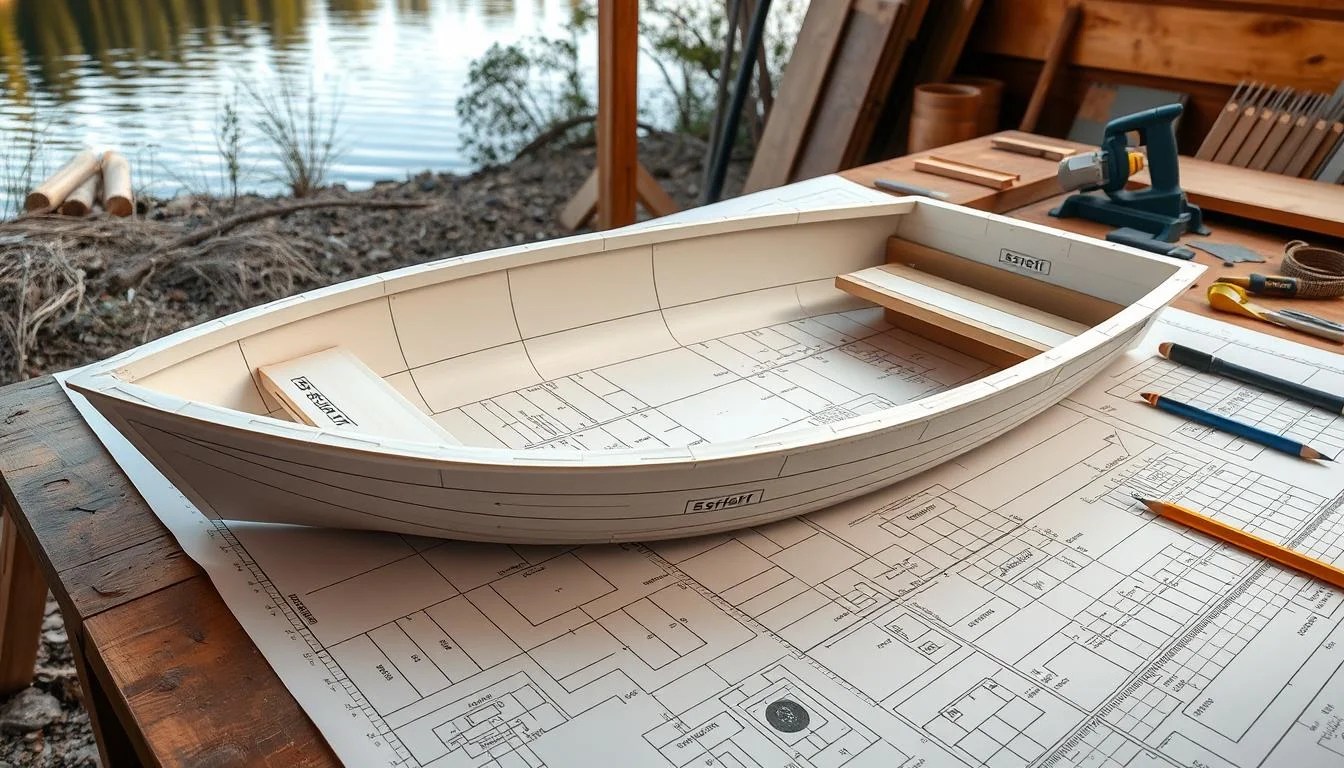 buildingyourownboat.com
 8 Class Cbse English Textbook Video, Skiff Building Plans 2020, Used C-hawk Fishing Boats For
 www.buildboatpdfplans.com
 Boat Building Plans Skiff
myborotboat.blogspot.com


0 comments:
Post a Comment